Just 20 Questions — But Vermont's Passenger Rules Apply Until You Turn 25
Vermont's DMV knowledge test has just 20 questions — one of the shortest in the US — and requires 16 correct (80%) to pass. There is no time limit. Minimum age is 15 years old, and the permit fee is $40. Teen permit holders must hold their permit for 12 months before taking the road test. Vermont's GDL passenger restriction is unusually broad: non-family passengers are restricted for drivers under 25 — not just under 18 as in most states. The manual places heavy emphasis on rural driving — unmarked intersections, wildlife crossings, narrow roads, and winter conditions are all tested topics. All questions come from the 2026 Vermont Driver's Manual.
DMV Test Practice Vermont
Vermont DMV Permit Practice Test – Free Online Preparation
Ready to pass your Vermont driver’s license test?
This page gives you complete access to Vermont DMV practice tests, designed using the latest VT Driver’s Manual. Whether you’re applying for a learner’s permit or preparing for the written knowledge test, everything you need is here.
Practice anytime, anywhere with real exam-style questions, instant scoring, and detailed explanations.
The Vermont learner’s permit test is the first step toward getting your driver’s license. It includes multiple-choice questions based on:
Vermont traffic laws
Road signs and markings
Safe driving practices
Defensive driving rules
Our tests simulate the real Vermont DMV written test, helping you build confidence and pass on your first attempt.
Vermont DMV Permit Knowledge Test
Covers everything you need to pass the Vermont permit test, including traffic laws, signs, and safety rules.
Vermont Written Test (Learner’s Permit)
Practice real Vermont DMV questions with scoring and explanations to improve your chances of passing.
Vermont Motorcycle Permit Practice Test
Prepare for your Vermont motorcycle license with practice questions on safe riding and road rules.
Vermont DMV Learner’s Permit Test: Fresh Quick Facts for Learners
The Vermont learner’s permit process is handled by the Vermont Department of Motor Vehicles. Many learners search for the Vermont DMV practice test, Vermont permit test, VT written test, or Vermont learner’s permit exam, but the official test is based on the Vermont Driver’s Manual. To prepare well, focus on road signs, right-of-way, speed limits, winter driving, rural roads, sharing the road, impaired driving laws, and the supervised driving rules you must follow before getting a Vermont driver’s license.
Official Vermont DMV Resources for Study, Permits, Appointments, and Fees
Test Practice DMV can help you prepare with Vermont DMV practice test questions, but official Vermont DMV pages should be used for final confirmation. Before you apply, review the driver manual, learner permit requirements, appointment system, document rules, and current fee information so you know what to study, what to bring, and how to complete the process.
Vermont Driver’s Manual
Read the official Vermont manual for traffic laws, road signs, safe driving rules, licensing steps, and knowledge test preparation.
Open official source → 🪪Vermont Learner’s Permit Information
Review official learner permit steps, age rules, required documents, testing information, and permit restrictions from Vermont DMV.
Open official source → 📅Vermont DMV Appointments
Use the official DMV appointment page to schedule permit testing, licensing services, road tests, and other DMV visits.
Open official source → 💳Vermont DMV Fees
Check current learner permit, exam, driver license, renewal, duplicate, motorcycle, CDL, and other Vermont DMV fee details.
Open official source →Vermont DMV Permit Test Topics Learners Should Study Carefully
Many learners do not struggle with the Vermont permit test because the questions are impossible. They struggle because they memorize answers without understanding how Vermont road rules, signs, and safe driving habits apply in real driving situations. Vermont drivers may face winter roads, rural highways, hills, curves, wildlife, school buses, work zones, pedestrians, cyclists, and changing visibility. A Vermont DMV practice test can help you review common topics, but it should be used together with the official Vermont Driver’s Manual so you understand the reason behind each rule.
Road Signs, Signals, and Pavement Markings
Vermont learners should review warning signs, regulatory signs, guide signs, sign shapes, traffic lights, lane arrows, stop lines, crosswalks, and yellow or white pavement markings. Signs are important because they tell drivers when to stop, yield, slow down, merge, pass, or prepare for hazards.
Rules of the Road and Safe Driving
The Vermont written permit test may include stopping, yielding, turning, passing, lane use, traffic signals, parking, and driver responsibility. Focus on understanding how each rule works in real traffic instead of memorizing only one practice-test answer.
Winter Roads, Ice, Snow, and Low Visibility
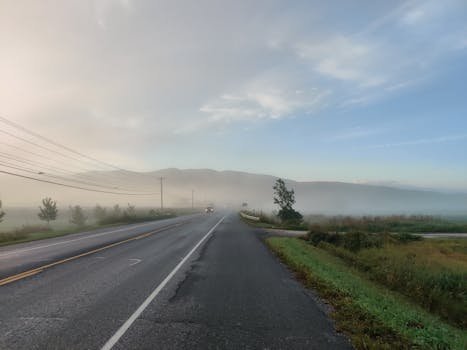
Vermont drivers may face snow, ice, freezing rain, fog, wet pavement, glare, and dark winter conditions. Learners should understand how safe speed, headlights, traction, braking distance, steering control, and following distance change when conditions become unsafe.
Rural Roads, Hills, Curves, and Wildlife
Vermont driving can include rural highways, wooded roads, hills, curves, bridges, and areas where deer or other wildlife may enter the roadway. Study scanning ahead, slowing before curves, keeping control downhill, and leaving enough space to react safely.
Right-of-Way and Intersection Decisions
Right-of-way questions may involve four-way stops, left turns, pedestrians, emergency vehicles, uncontrolled intersections, and vehicles entering traffic. Learn when to yield and how to avoid assuming another driver, cyclist, or pedestrian will move first.
School Buses, Pedestrians, and Cyclists
Vermont learners should review school bus safety, school zones, crosswalks, pedestrians, bicyclists, motorcycles, and shared road situations. These topics often test caution, stopping, yielding, scanning ahead, and giving other road users enough space.
Work Zones, Emergency Vehicles, and Roadside Hazards
Work zones may include orange signs, flaggers, lane shifts, reduced speeds, workers, and changing road patterns. Vermont learners should also understand how to react near emergency vehicles, stopped vehicles, crashes, and roadside hazards.
Learner’s Permit, Junior License, and Penalties
Vermont learners should study learner’s permit rules, supervised driving requirements, junior driver license topics, clean driving record expectations, impaired driving risks, violations, and penalties. These topics can appear in practical wording, so understanding the rule is stronger than memorizing one line.
How to Prepare for the Vermont DMV Written Permit Test
Start preparing for the Vermont DMV written permit test by reading the official Vermont Driver’s Manual. The manual explains learner’s permits, driver licensing, safe driving, signs, work zones, sharing the road, crashes, alcohol and drug-related driving, and responsible driver behavior. After reading the manual, use a Vermont DMV practice test or Vermont permit test practice page to check your understanding and find topics that need more review.
Take more than one practice test instead of relying on one quick attempt. When you get a question wrong, review the explanation carefully and return to the Driver’s Manual if the rule is still unclear. Pay special attention to road signs, right-of-way, safe following distance, winter roads, rural routes, hills, curves, school buses, pedestrians, cyclists, work zones, parking rules, and alcohol- or drug-related driving laws.
Study in short sessions across several days instead of rushing everything in one sitting. This helps you remember Vermont road rules, signs, and safe driving habits more clearly. A Vermont permit test practice page should support your preparation, but it should not replace the official Vermont Driver’s Manual or the latest information from the Vermont Department of Motor Vehicles.
- Read the official manual first: Start with the Vermont Driver’s Manual before depending on practice questions.
- Understand supervised driving: Vermont learner’s permit drivers must follow permit rules and drive with an eligible licensed, unimpaired adult or approved instructor in the front seat.
- Practice signs separately: Review sign shapes, colors, symbols, traffic lights, pavement markings, and lane arrows until they feel familiar.
- Take multiple practice tests: Use different question sets to review Vermont road rules, signs, safe driving habits, and permit topics.
- Review wrong answers carefully: Mistakes show which rules need more attention before the real written permit test.
- Focus on Vermont driving situations: Study winter roads, rural highways, hills, wildlife, school buses, pedestrians, cyclists, work zones, and safe following distance.
- Understand the reason: Learn why an answer is correct so you can handle questions written in a different way.
Practice for the Vermont Written Test Online
Our practice tests are designed to match the real Vermont DMV exam.
You’ll find:
Realistic DMV test questions
Updated Vermont driving rules
Road sign identification
Instant feedback with explanations
Each test helps you identify weak areas and improve quickly.
These tests are perfect for
Teens applying for a Vermont learner’s permit
Adults preparing for the Vermont written test
First-time drivers in Vermont
Anyone looking to pass the VT DMV exam confidently
DMV Test Practice Vermont
What You’ll Practice
No matter which test you choose, each Vermont DMV practice test includes:
Questions based on the Vermont Driver’s Manual
Road signs and traffic signals
Vermont traffic laws and regulations
Real-life driving scenarios
Exam-style multiple-choice questions
All questions are designed to match the actual Vermont DMV test format.
Practice DMV Tests for Nearby States
If you're exploring permit test practice beyond Vermont, here are nearby state DMV practice test pages you can visit. Each page includes free written test preparation, road sign questions, and state-specific DMV practice content.