Prepare for Your Minnesota Teen Permit Practice Test – Free Online Preparation

Pass Your Minnesota Teen Permit Test

Minnesota Teen Permit Practice Test –

Minnesota Teen Permit Practice Test – Free Online Preparation

Getting your first driver’s license? This is your one-stop guide to prepare for the Minnesota teen permit test.
Study real Minnesota DVS knowledge test questions, review the MN driver’s manual, and practice online — all 100 % free.

Whether you’re 15 or 16 and applying for your instruction permit, or retaking the exam, these free tests help you build confidence and pass the first time.
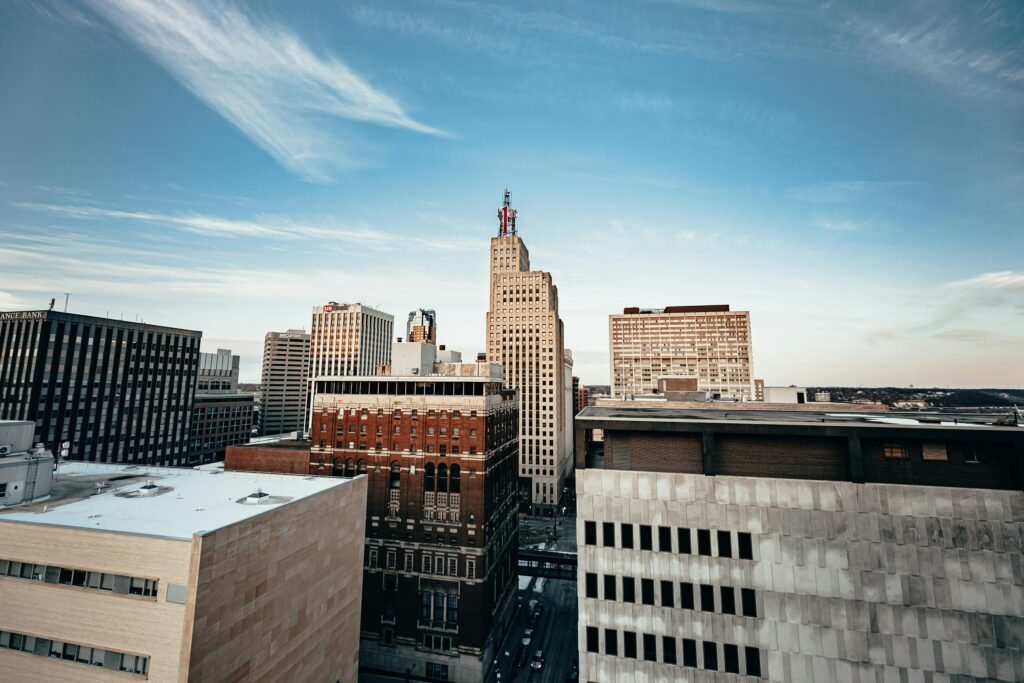
Explore the blend of modern and historic architecture in downtown Saint Paul, Minnesota's vibrant skyline.

Set 1 - General DMV Questions

Start with Minnesota’s basic rules of the road, signs, and safe-driving habits required for every new teen driver.

26

Minnesota DMV Practice Test – General Knowledge

1 / 25

Using a handheld phone while driving is:

2 / 25

When driving in fog, you should use:

3 / 25

Defensive driving means:

4 / 25

Seat belts must be worn by:

5 / 25

At railroad crossings without signals you should:

6 / 25

When must headlights be used in Minnesota?

7 / 25

Speed limits indicate:

8 / 25

When an emergency vehicle approaches from behind with flashing lights and siren, what must you do?

9 / 25

Legal BAC limit for drivers 21+ is:

10 / 25

At an uncontrolled intersection, who has the right-of-way?

11 / 25

Following another vehicle too closely is known as:

12 / 25

You approach a yellow traffic light and cannot stop safely. What should you do?

13 / 25

Entering a highway requires you to:

14 / 25

A flashing red traffic signal means:

15 / 25

You approach a stop sign at an intersection with a marked crosswalk but no stop line. Where must you stop your vehicle?

16 / 25

A green traffic light means you may proceed when:

17 / 25

When is passing another vehicle allowed on a two-lane road?

18 / 25

Night driving safety requires:

19 / 25

When parking uphill with a curb, wheels should be turned:

20 / 25

When must you dim high beams?

21 / 25

How far in advance must you signal before turning?

22 / 25

Broken yellow center lines mean:

23 / 25

A solid white lane line indicates:

24 / 25

When must you stop for a school bus?

25 / 25

A yield sign means:

Set 2 – Fresh Question Bank

Practice the newest DMV-style questions updated for Latest , covering traffic laws, right-of-way, and safe driving for young drivers.

19

Minnesota DMV Situational Practice Test

1 / 25

Why avoid sudden braking?

2 / 25

If vehicle stalls on railroad tracks, what first?

3 / 25

Why scan the road 10–15 seconds ahead?

4 / 25

Another driver is aggressive toward you. What should you do?

5 / 25

You are driving in the right lane of a highway and see a vehicle entering from an on-ramp. What should you do?

6 / 25

In winter, stopping distance will:

7 / 25

At railroad crossings with flashing lights, you must:

8 / 25

Why increase following distance behind trucks?

9 / 25

You approach a curve with a recommended speed sign. What should you do?

10 / 25

Entering traffic from a driveway, who yields?

11 / 25

At night, an oncoming driver fails to dim headlights. Where should you look?

12 / 25

How often should mirrors be checked in city traffic?

13 / 25

Before changing lanes, what is the correct sequence?

14 / 25

A vehicle stops suddenly ahead. What should you try to do?

15 / 25

What must you do before entering a roundabout?

16 / 25

Why should you leave extra space in heavy traffic?

17 / 25

When must turn signals be used?

18 / 25

In fog, rain, or snow, how can visibility improve?

19 / 25

Approaching a pedestrian crossing at night, you should:

20 / 25

Driving downhill on a steep road, how should you control speed?

21 / 25

While driving on a wet road, your car begins to hydroplane. What should you do first?

22 / 25

You approach a green traffic light but traffic is stopped in the intersection. What should you do?

23 / 25

You miss your highway exit. What should you do?

24 / 25

Why avoid driving in blind spots?

25 / 25

When driving long distances, take breaks:

Road Signs & Markings

Learn all Minnesota road signs, pavement markings, and signal meanings. Perfect for visual learners getting ready for the DVS written exam.

12

Minnesota Road Signs Practice Test – Minnesota DVS

1 / 25

Orange road signs warn of:

2 / 25

Chevron signs indicate:

3 / 25

A red octagonal sign at an intersection means:

4 / 25

“DO NOT ENTER” means:

5 / 25

Circular arrows sign means:

6 / 25

Broken white lines mean:

7 / 25

Traffic signal ahead sign warns of:

8 / 25

Yellow sign with opposite arrows means:

9 / 25

Two solid yellow lines mean:

10 / 25

“WRONG WAY” sign indicates:

11 / 25

Pentagon-shaped yellow sign indicates:

12 / 25

Truck downhill sign indicates:

13 / 25

Red circle with slash over arrow means:

14 / 25

Blue sign with gas symbol means:

15 / 25

A yellow sign with a curved arrow means:

16 / 25

Solid white line means:

17 / 25

Pedestrian crossing sign indicates:

18 / 25

Merging arrows sign indicates:

19 / 25

Falling rocks sign warns of:

20 / 25

A triangular red and white sign indicates:

21 / 25

Green highway signs provide:

22 / 25

“ROAD WORK AHEAD” means:

23 / 25

A white rectangular sign with black letters shows:

24 / 25

A circular yellow sign with “RR” means:

25 / 25

A yellow diamond sign with a deer symbol warns of:

Traffic Laws & Safety Rules

Understand Minnesota’s Graduated Driver Licensing (GDL) rules, curfew restrictions, seat-belt laws, and passenger limits that apply to teen drivers.

9

Minnesota Traffic Laws & Safety Practice Test

1 / 25

You approach a school zone. What should you do?

2 / 25

You are being tailgated on a two-lane road. What should you do?

3 / 25

What is the purpose of defensive driving?

4 / 25

Before starting your vehicle, you should:

5 / 25

While driving in heavy rain, what is the safest action?

6 / 25

When driving downhill, what should you do?

7 / 25

Traffic signals fail at an intersection. What must you do?

8 / 25

When backing your vehicle, you should:

9 / 25

When driving at night, how should speed change?

10 / 25

You approach a pedestrian using a white cane at a crosswalk. What must you do?

11 / 25

Before changing lanes, what must you check?

12 / 25

When must high beams be dimmed?

13 / 25

When should hazard lights be used?

14 / 25

Emergency vehicle approaches with siren. What must you do?

15 / 25

Before entering a sharp curve, what should you do?

16 / 25

When driving in fog, which headlights should be used?

17 / 25

You approach a yellow traffic light and cannot stop safely before the stop line. What should you do?

18 / 25

Why scan the road ahead?

19 / 25

Another driver cuts you off. What should you do?

20 / 25

You are entering a highway from an acceleration lane. What must you do?

21 / 25

You miss your highway exit. What should you do?

22 / 25

You see a bicyclist ahead. What should you do?

23 / 25

Parking uphill with a curb requires wheels turned:

24 / 25

You are stopped at a red light and want to turn right. What must you do first?

25 / 25

Your car begins to skid on ice. What should you do?

Fines & Point System

Know the consequences of speeding, phone use, and driving violations. Learn how points affect your permit and future license.

5

Minnesota Fines & Point System Practice Test

1 / 25

Passing stopped emergency vehicle illegally may lead to:

2 / 25

Failure to yield right-of-way may lead to:

3 / 25

Reckless driving can lead to:

4 / 25

Driving without vehicle registration may result in:

5 / 25

Driving without insurance in Minnesota may result in:

6 / 25

Using a fake driver’s license may result in:

7 / 25

Running a red light may lead to:

8 / 25

Refusing a breath test may lead to:

9 / 25

Not wearing a seat belt may result in:

10 / 25

A DUI conviction may result in:

11 / 25

Driving in a work zone illegally may result in:

12 / 25

Street racing penalties include:

13 / 25

Accumulating too many license points may lead to:

14 / 25

Ignoring traffic signs may result in:

15 / 25

Driving with a suspended license may result in:

16 / 25

Making an illegal U-turn may result in:

17 / 25

Tailgating another vehicle may result in:

18 / 25

Texting while driving may result in:

19 / 25

Reckless speeding may result in:

20 / 25

Parking illegally in handicap space may result in:

21 / 25

Leaving the scene of a crash is considered:

22 / 25

Driving without headlights at night may result in:

23 / 25

Passing a stopped school bus illegally may result in:

24 / 25

Aggressive driving may result in:

25 / 25

Driving uninsured after a crash may lead to:

Full Minnesota DMV practice test Mock Test (46 Questions)

Try the ultimate practice test designed for Minnesota teen drivers — 46 mixed questions on signs, laws, and safety.
Get your score instantly and retake until you’re ready for the real exam.

12

Minnesota DMV Full Mock Test (46 Questions)

1 / 46

Drivers must yield to pedestrians:

2 / 46

You must stop for pedestrians when:

3 / 46

When should high beams be dimmed?

4 / 46

Night driving requires:

5 / 46

When visibility is poor, you must:

6 / 46

If you miss your exit, you should:

7 / 46

Blue road signs provide:

8 / 46

If traffic lights fail, treat as:

9 / 46

Hand signal for right turn is:

10 / 46

A flashing yellow light means:

11 / 46

A red curb means:

12 / 46

Entering highway requires:

13 / 46

Legal BAC limit is:

14 / 46

Failure to yield may result in:

15 / 46

When driving in fog, you should use:

16 / 46

Broken white lines mean:

17 / 46

Following too closely is called:

18 / 46

Turn signals help drivers:

19 / 46

Scanning the road helps you:

20 / 46

Defensive driving means:

21 / 46

Before backing up, you should:

22 / 46

Using handheld phone while driving is:

23 / 46

A stop sign requires you to stop:

24 / 46

Tailgating increases risk of:

25 / 46

Driving tired is dangerous because:

26 / 46

Railroad crossing without signals requires:

27 / 46

Double yellow lines indicate:

28 / 46

When turning left, you must yield to:

29 / 46

If blinded by headlights, you should:

30 / 46

Aggressive driving includes:

31 / 46

You approach a steady red light. What must you do?

32 / 46

When must headlights be used?

33 / 46

Yield signs are shaped like:

34 / 46

Stopping distance increases when roads are:

35 / 46

Work zone signs are:

36 / 46

Divided highway sign indicates:

37 / 46

No passing zone means:

38 / 46

Passing on the right is allowed when:

39 / 46

A flashing red light means:

40 / 46

Railroad crossing signs are shaped like:

41 / 46

A green light means:

42 / 46

Pentagon-shaped signs indicate:

43 / 46

Hydroplaning happens when:

44 / 46

A green arrow means:

45 / 46

Emergency vehicles require drivers to:

46 / 46

Parking downhill wheels turn:

Minnesota Teen DMV Permit Test

Get Ready for Your Minnesota Teen DMV Permit Test

he best way to prepare for your MN Class D knowledge test is through practice.
Take unlimited free tests, track your progress, and get familiar with the exact DMV question style.
Study anytime, anywhere — directly from your phone or laptop.

Minnesota DMV Knowledge Test

Get Ready for Your Minnesota DMV Test

You’ll cover:

  • • minnesota dmv permit test quizlet
    • minnesota drivers permit practice test
    • minnesota driver’s license permit
    • minnesota dmv written test prep
    • minnesota drivers test questions
    • mn drivers license manual
    • minnesota permit practice test online
    • minnesota knowledge test practice
    • minnesota dmv test answers
    • minnesota learner permit test
    • minnesota road signs practice test
    • mn permit test questions and answers
    • minnesota driving test study guide
    • minnesota class d knowledge test
    • minnesota permit test practice free

The Minnesota DVS knowledge test covers road signs, traffic signals, right-of-way rules, speed limits, safe driving habits, and driving laws from the Minnesota Driver’s Manual.
The Minnesota permit test includes 40 multiple-choice questions. You must answer at least 32 correctly to pass.
The test is moderate in difficulty. Most people pass after practicing road signs, right-of-way rules, and driving scenarios from the handbook.
Focus on right-of-way rules, traffic signals, road signs, winter driving safety, speed control, and DUI laws.
A flashing red light must be treated as a stop sign. Come to a complete stop and proceed when safe.
A flashing yellow light means proceed with caution. Slow down and be prepared to stop.
Minnesota drivers must signal at least 100 feet before turning or changing lanes.
Use the 3-second rule in good conditions. Increase the distance in snow, rain, fog, or heavy traffic.
The questions are based on the Minnesota driver handbook and are written in the same style and difficulty as the real exam.
If you fail, you can retake the test after scheduling a new appointment and paying the required fee.
⚠️ Report an error
Report an error ×

Found something wrong on this page? Let us know.